• Products
    • Hygrozyme
      • About
      • FAQ
    • Hygrozyme Concentrate
      • About
      • FAQ
    • Hygroben
      • About
      • FAQ
    • Hyclean
      • About
      • FAQ
    • Hyshield
      • About
      • FAQ
    • Hygropunch
      • About
      • FAQ
    • NUTRIENT A & B
      • About
      • FAQ
  • Resources
    • Product Catalog
    • Sell Sheets
    • SDS Sheets
    • Blog
    • Product Videos
    • Interview Videos
  • Feed Charts
    • Feed Calculator
    • Feed Chart
    • Injection System Layouts
  • Where To Buy
    • ONLINE
    • Retail Stores
    • Wholesale
  • Contact Us
  • Products
    • Hygrozyme
      • About
      • FAQ
    • Hygrozyme Concentrate
      • About
      • FAQ
    • Hygroben
      • About
      • FAQ
    • Hyclean
      • About
      • FAQ
    • Hyshield
      • About
      • FAQ
    • Hygropunch
      • About
      • FAQ
    • NUTRIENT A & B
      • About
      • FAQ
  • Resources
    • Product Catalog
    • Sell Sheets
    • SDS Sheets
    • Blog
    • Product Videos
    • Interview Videos
  • Feed Charts
    • Feed Calculator
    • Feed Chart
    • Injection System Layouts
  • Where To Buy
    • ONLINE
    • Retail Stores
    • Wholesale
  • Contact Us

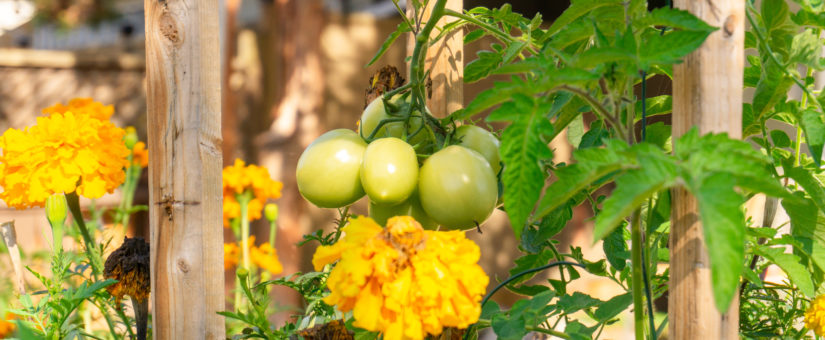
Companion planting

Get more food from the same space when you grow like-minded plants together.

Seasoned growers know that companion planting makes for a healthy and beautiful garden. It’s a simple gardening practice that involves arranging fruits and veggies in such a way that they help each other grow. It also helps gardeners (and farmers) maximize their yields with little effort and even fewer pesticides. 

Companion gardening typically involves working with plants that feature contrasting yet complementary properties. The well-known “three sisters” planting of beans, corn, and squash is a perfect example. In this scenario, the corn stalks become stakes for the beans to climb. Up in the air, the beans pull nitrogen into the soil, which then benefits all three plants. The broad, prickly leaves of the squash help to keep the soil cool, moist, pest-free. It’s nature at its best.

The science behind companion planting 

Before digging right into companion planting, it’s important to look at how the plants interact with one another. 

While many plants enjoy cooperating, others simply refuse to help their neighbours. Here are seven tips and considerations for a thriving companion garden: 

  • Mutual climate cooperation

Mutual climate cooperation involves planting crops that, when fully grown, complement the needs of their neighbours. A good example of this would be growing tall, sun-loving plants like tomatoes adjacent to short, shade-tolerant plants like lettuce. 

  • Nurse cropping

Nurse cropping is when you plant annuals to protect perennials. Annuals can nurture young perennials until they’re strong enough to handle full sun and strong winds on their own. Annuals can also reduce soil erosion and protect the perennial’s root system.

  • Trap cropping

It is alleged that aphids despise the smell of mint and basil discourages flies and hornworms from attacking tomatoes. Trap cropping refers to the planting of a bait crop that will attract certain pests to itself, and away from more valuable crops. Some die in the process. 
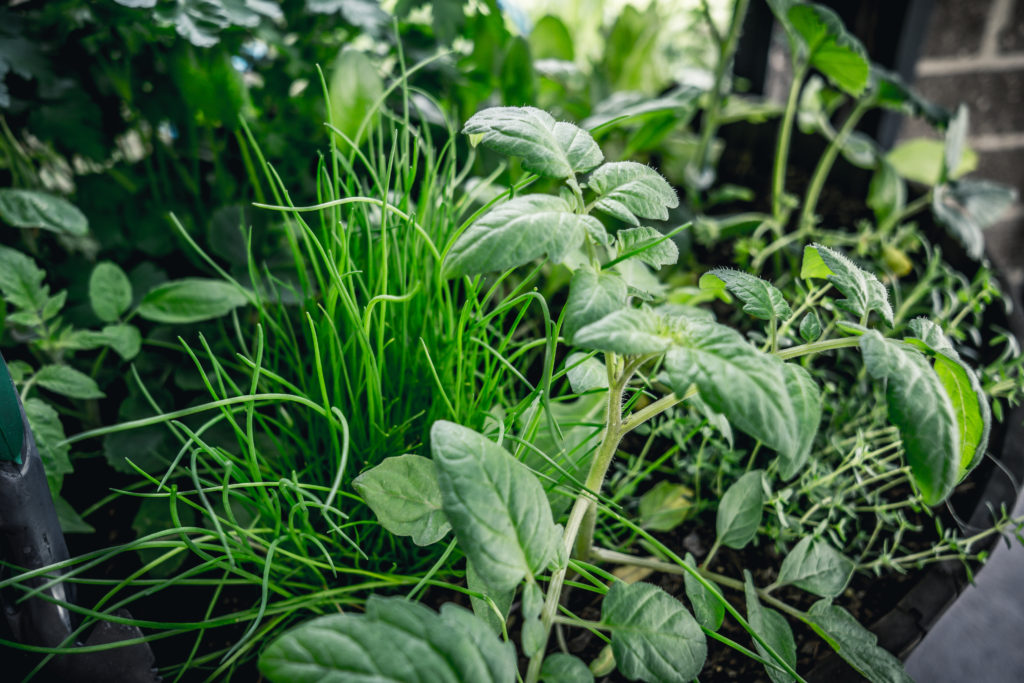
Companion planting vegetables
  • Symbiotic nitrogen fixation

By using small nodules on their roots, peas, beans and other legumes can fix atmospheric nitrogen in the soil that other plants need to survive. Similarly, beets do well near leafy greens because both plants offer the minerals the other requires.

  • Biochemical pest suppression

Some plants secrete chemicals that can protect their neighbours. Marigolds, for example, release a natural pest repellent called thiophene, while others emit a pheromone that stops insects from mating. Allelopathy is another form of biochemical suppression which happens when chemicals from the root system of one plant discourage competition and growth from others.

  • Habitat influence

Similar to trap cropping, habitat influence refers to neighbouring plants that attract beneficial predators to act as a natural pesticide. For example, dill attracts praying mantises and ladybugs, both of which eat common garden insects, while garlic wards off pests with its strong odour. 

  • Biodiversity

Many pathogens prefer specific plants. For example, hornworms tend to plague tomato gardens while bulb mites like onions. If you mix up your plants, you can decrease the possibility of crop infestation.

Not only is companion planting fun and fruitful, but it will also inherently make your garden more attractive. The best part is, many companion plants are likely what you’re already planning to grow this year. 

You can further enhance your companion garden with help from our expanding list of Hygrozyme products. Hygrozyme Products’ unique HYSHIELD formula is designed to boost your plant’s immune system and prevent infestation while our Hygrozyme is a powerful blend of concentrated, beneficial enzymes that work synergistically to ensure plants achieve their full genetic potential. Contact us today for more information. 

  • On April 27, 2020
Categories
Popular Posts
  • Featured Image
    Hydroponic Gardening Tips and TricksApril 23, 2024
  • Featured Image
    Plant Growth-Promoting Microbes 101December 2, 2022
  • Featured Image
    Supercharge Your Garden With Chitin’s Main DerivativeJune 14, 2021
  • Featured Image
    Save The Planet (and Money) by Reusing Your Growing MediaJuly 21, 2021
  • Featured Image
    Post-Harvest Tips to Keep Fruits and Vegetables Fresh for LongerSeptember 3, 2021
Tags
50th Anniversary Accelerating root zones and unlocking essential nutrients for your plants Agricultural Innovation bigger yield come harvest time Company Milestone Crop Enhancement Cultivation Solutions Cultivation Success ENZYMATIC FORMULA FOR THE PREVENTION OF ROOT ROT Enzyme Formula Enzyme Technology fresh nutrient mix that includes Hygrozyme and beneficial microbes grow cycle Grower Support grower’s journal Grow Medium Compatibility Healthy roots Healthy roots mean healthy plants Horticulture Excellence hydroponic gardening hydroponic gardening tips hydroponic light starter kit hydroponic pro hydroponic system Hygrozyme HYSHIELD Innovation in Agriculture leaves of your plants leaves of your plants Lighting for Hydroponic Plants Lighting for Hydroponic Plants Nutrient A&B outdoor grow Plant Development plant health plant maintenance plants nutritional requirements professional hydroponic nutrients Quality Products root rot issues start growing Sustainable Farming Sustainable Ingredients transplanting

Save The Planet (and Money) by Reusing Your Growing Media

Previous thumb

A Step-by-Step Guide to Clean and Maintain your Drip Irrigation System

Next thumb
Scroll
Please note that this website uses cookies to improve your experience and our services. If you agree to the use of cookies, continue browsing or click on I ACCEPT. To learn more about our cookies, please read our cookies policy and privacy policy
Privacy & Cookies Policy

Privacy Overview

This website uses cookies to improve your experience while you navigate through the website. Out of these cookies, the cookies that are categorized as necessary are stored on your browser as they are essential for the working of basic functionalities of the website. We also use third-party cookies that help us analyze and understand how you use this website. These cookies will be stored in your browser only with your consent. You also have the option to opt-out of these cookies. But opting out of some of these cookies may have an effect on your browsing experience.
Necessary
Always Enabled
Necessary cookies are absolutely essential for the website to function properly. This category only includes cookies that ensures basic functionalities and security features of the website. These cookies do not store any personal information.
Non-necessary
Any cookies that may not be particularly necessary for the website to function and is used specifically to collect user personal data via analytics, ads, other embedded contents are termed as non-necessary cookies. It is mandatory to procure user consent prior to running these cookies on your website.
SAVE & ACCEPT

Feed Calculator

Optimize your grow by ensuring your plants receive the ideal balance of nutrients they need. Achieve better harvests — start now by using our feed calculator.

Feed Calculator

Optimize your grow by ensuring your plants receive the ideal balance of nutrients they need. Achieve better harvests — start now by using our feed calculator.

Use Our Feed Calculator

Accelerate Your Root Zone.
Results Above, Start Below.

Accelerate Your Root Zone.
Results Above, Start Below.

Address

Unit 107 - 7717 Beedie Way
Delta, BC, Canada - V4G0A5

Call Us

Toll Free: 1-800-565-3070
Phone: 1-604-940-9922

Products

  • Hygrozyme
  • Hygrozyme Concentrate
  • Hygroben
  • Hyclean
  • Hyshield
  • Hygropunch – New Product!
  • Nutrient A & B – New Product!

Company

  • Feed Calculator
  • Where To Buy
  • Privacy Policy
  • Cookies Policy

Recent Posts

The Dos and Don’ts of Foliar feeding
A Journey of Five Decades
Hygrozyme Celebrates 50 years of Innovation