Blog

Blog

A Guide to Proper Tank Mixing

Tank mixing various combinations of pesticides, fertiizers and other liquid products is a common practice in agriculture that can save growers a lot of time. It allows for the treatment of pests, weeds and disease all at once but proper mixing guidelines must be followed. Just as easily as tank mixing can save you time, […]

What is Nutrient Lockout and How Can I Prevent It?

To optimize plant growth and yield, it’s important to monitor nutrient levels throughout your grow cycle. This will not only ensure your plants get all the fuel they need but will also prevent nutrient lockout. Nutrient lockout occurs when either your soil or your drip irrigation system has accumulated excess nutrients and salts. Left unchecked […]

How to Successfully Germinate Seeds for Hydroponics

Healthy, high-yielding plants require high-quality seeds and an ideal environment to germinate into strong seedlings. It can feel deflating when a seedling fails to sprout. Even after you’ve placed your seeds lovingly in fertile soil and watered according to schedule, there are many reasons a seed won’t germinate. From proper storage to good water quality, […]

Prevention Is Worth a Pound of Gold in The Garden

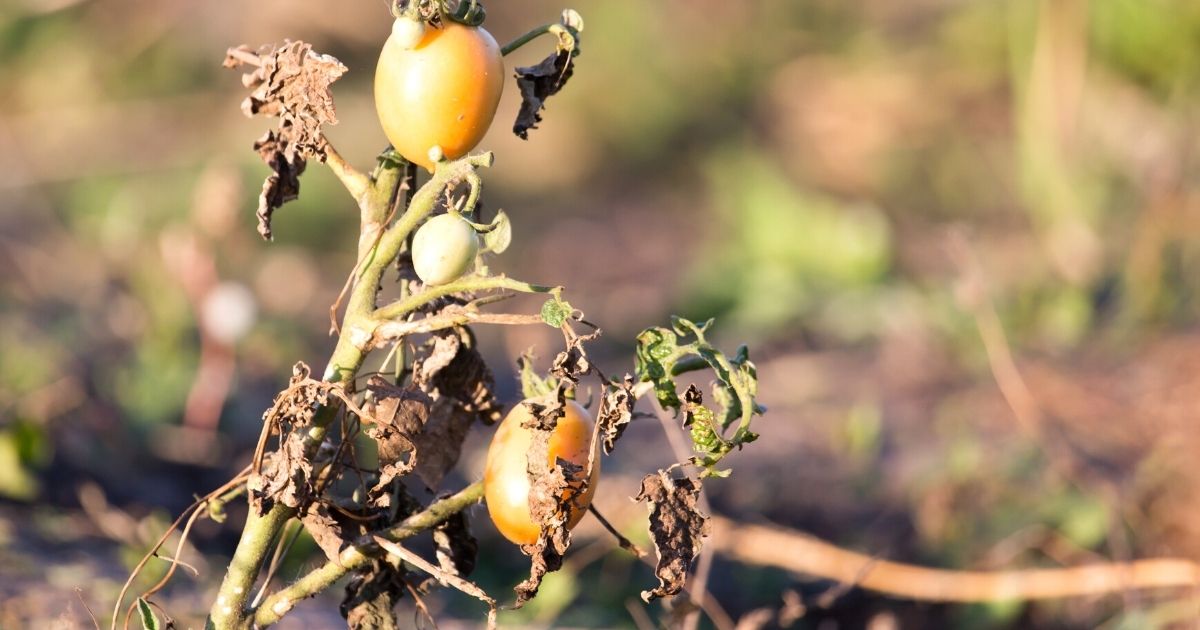
From good soil management to proper watering techniques, it’s important to practice prevention for healthy plants and maximum yields. The easiest way to prevent disease in your garden is to avoid introducing it. But, of course, we know that’s not always possible. While early detection is key to preventing crop loss, it’s often the invisible […]

Simple Steps to Correct and Prevent Over Fertilization

In order to grow a healthy crop, many cultivators believe they need to increase their fertilizer application rates. Of course, fertilizing encourages plant growth, root growth, nutrient absorption and helps them to flourish, but even a good thing can be bad in excess. Essentially nutrient pollution, over fertilization results in high concentrations of soluble salts […]

A Step-by-Step Guide to Clean and Maintain your Drip Irrigation System

A drip system brings convenience to cultivators and a consistent supply of fresh water to their plants. However, in order for crops to reach their maximum potential, it’s crucial for growers to regularly inspect their drip system to ensure everything is functioning smoothly. With a little maintenance, cultivators can prevent their drip irrigation systems from […]

Post-Harvest Tips to Keep Fruits and Vegetables Fresh for Longer

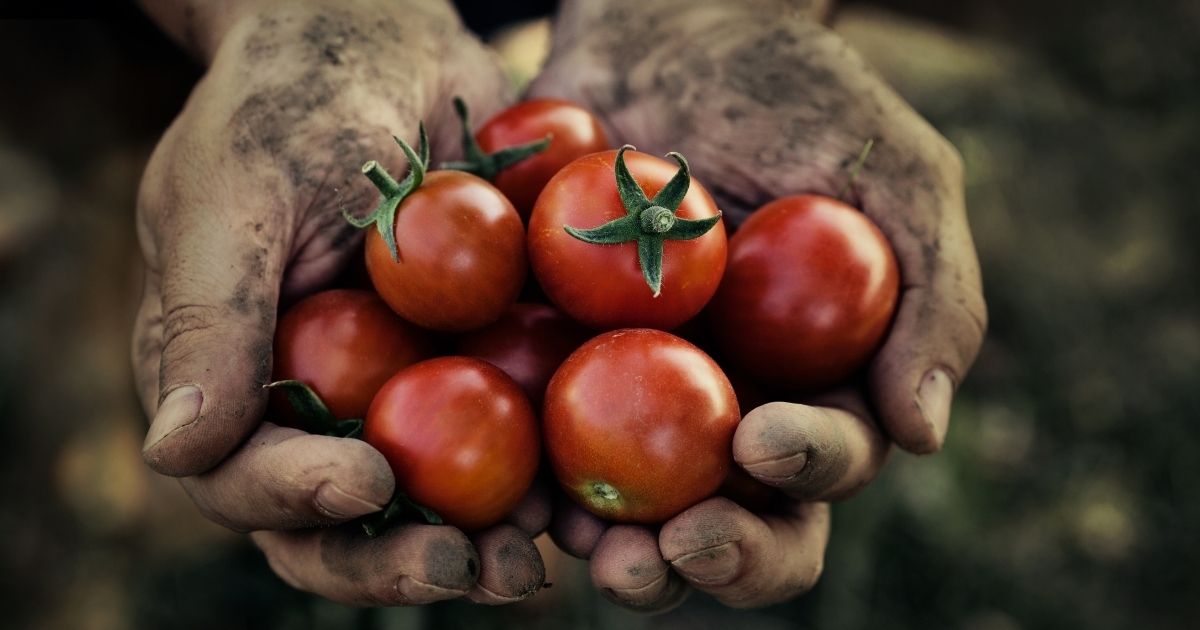
The best part about growing your own fruits and vegetables is that you can appreciate them fresh from the garden come harvest time. As the harvest season approaches, plants have all kinds of ways of reaching out to let you know it’s time to bring them in. Some veggies, like tomatoes, change colour when they’re […]

Save The Planet (and Money) by Reusing Your Growing Media

After generations of land development and horticulture, the global demand for healthy soil is increasing rapidly. Growers are becoming more and more interested in reusing their growing media rather than tossing it in a landfill. Recycling growing media is a viable solution to a global threat, and it can help us protect and maintain our […]

Supercharge Your Garden With Chitin’s Main Derivative

By Alex FraserPublished in Maximum Yield Magazine Chitosan is one of those garden supplements that is often forgotten. But once you discover how it can take your garden from good to great, you’ll wonder why you overlooked it. Alex Fraser explains its many benefits. Although you may never have heard of chitin before, this incredible […]

5 Ways to Naturally Keep Pests and Pathogens Away From Your Plants

A plant’s natural defense system against pests is nothing short of genius. From the second their seeds pop, your plants develop an assortment of ways to survive the stresses that exist in their immediate environment. Their adaptation is a delicate balance of resources to fight off potential threats but stay strong enough to grow the […]

Feed Calculator

Your next mix, made simple.

Choose your product and water volume.
See how much to add for each batch.

Use the amount you prepare in your tank, not your crop area.

Use this calculator as a guide. Follow your product label and feeding schedule. Quantities are product volume, not bottle counts.

Add to each batch

Need help with your feeding program? Contact us ↗